
On Peter Gabriel's "Melt" and Steve Biko
Published on Feb 21, 2026
Be Sure to Wear Flowers in Your Hair
Published on Jan 19, 2026
WALK OUT TO WINTER: falling in love with—and to—Aztec Camera's High Land, Hard Rain
Published on Dec 26, 2025
First Anniversary
Published on Dec 17, 2025
More Liner Notes…
Featured Conversation: Talking With Keith Carne of We are Scientists
Published on Mar 14, 2026
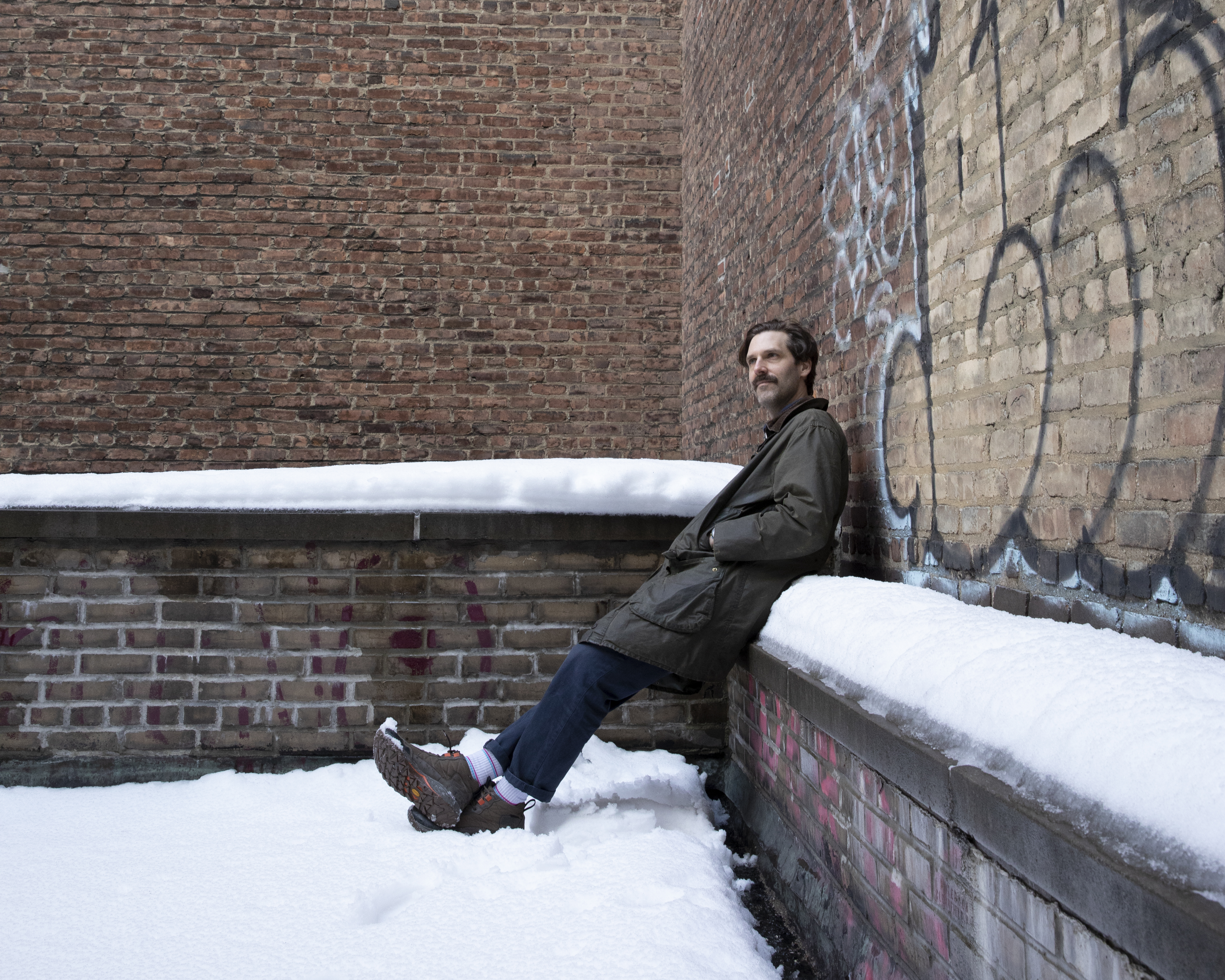
IHTOV correspondent Owen Brazas once again takes the interviewer’s chair and brings us a wonderful conversation with Keith Carne of We Are Scientists.
This interview has been edited for length and clarity
Owen: Let’s talk about Young Keith. Did you have a musical family?
KC: My dad is a guitarist, and studied guitar in university, and made his living as a bar band, a cover musician, for years. And my mom is just a great music appreciator with great musical taste. And so, you know, I kind of got this, you know, dual perspective music education. My dad was into kind of, like, nerdier stuff, like Yes and Steely Dan, and my mom was really into sort of, like, 90s adult contemporary music, like Sade, and Chaka Kha, and they just had music on, basically all the time, and were extremely supportive of me as a young musician. And so there were just always guitars around the house and stuff growing up, and there were always records playing. I had a musical epiphany pretty early. I asked for a drum kit when I was three. I was just like, I need to play drums. I was in love with that. And then, when I was six or seven I just had this epiphany where I was like, I can play the drums. And so I took them back out and I sat down, and from that day forward, I was super organized about how I thought about the instrument, and I still use one of the processes that I did on that very day, to this day, you know?
Owen: That’s very cool. I love hearing from musicians that have, like, a very fertile home environment that causes that kind of growth to happen. So you had so many instruments around in the house, it sounds like, but you just naturally went to the drums?
KC: You know, my dad got me a guitar when I was eight or nine, and I played guitar a little bit in high school and middle school and stuff, and I also was a singer and guitarist of one of the first bands that I started. One of my best friends growing up, this great musician named Scott Wozniak, who works with Gibson now,he was also a great drummer and guitarist, and so we would swap off songs on drums and guitar and stuff, and then I just started getting requests, like the older kids in high school sort of started asking me to play in their band and I just focused in on drums, because I just had a natural aptitude for it.
And, just kind of like a burning desire for it, whereas songwriting and musicality was something that drove me every day, but I just had such a voice on the drums, it seemed. I also don’t mean to sound, like, too you know, I’m extremely humble about it, I spend every day practicing still, but I can identify from an early age that, like, oh, I understand this thing, and I know how to express ideas that I maybe can’t put into words on this instrument, you know?
Owen: Totally. Also, you know, it’s… the drums are the one instrument I’m terrible at, like, I was a naturally musical person, you could put me in front of a piano, a cello, a guitar, whatever, I could, like, make something happen.
KC: Yeah.
Owen: But, where I came from, in just the outskirts of Chicago and the Southside, if you could play the drums, you’re in three or four bands. You’ll never go hungry.
KC: It’s the same way in Jersey. I mean, dude, it’s still the same way in New York City in 2026. I play in active bands. I’m currently in two bands, but if you count the bands that I will occasionally play shows with or tour with, it’s like five or six bands.
Owen: What was your first real drum kit?
KC: So, okay, so the first non-real drum kit to not answer your question. It was just a Sears drum kit, whatever, like a junior kind of bop kit. And then, the one real drum kit was from a company called Maxx, it had two X’s, and they sold it at Sam Ash. I think they had Sam Ash out in Chicago, right? Yep.
Owen: They sure did.
KC: I think it actually may have been the house brand for Sam Ash, and it was a 22-inch kick drum, two big deep power toms, a 12 and a 13, and a 16-inch floor tom, and it’s really funny because there’s a dude, Ken Levine, across the hall, I’m here in my music studio in Midtown, and this dude across the hall, who’s a very great musician, I teach him drum lessons from time to time, he has the kit, and I went to his space one day, and I was like, what the heck? That’s crazy!
Yeah, so it was just this Maxx kit that my parents got me, I think, when I was seven or eight. And then my first, like, professional kit when I was 12 or 13 was a Mapex kit, a Mars Pro kit. That was a 6-piece kit, so I was in my Carter Beaufort, gotta have a big kit, gotta have a rack era, which every drummer seems to go through.
Owen: During the pandemic, I was trying to teach myself, and get a little better.
KC: Well, I was gonna say, I didn’t want to contradict your statement about being a more natural guitarist, or cellist, or bassist, or whatever, but I think the right potential attitude, and could point you in the right direction or whatever, you could probably play drums. It’s a pretty low floor. High ceiling, low floor.
Owen: True,. I can do a basic rock beat…
KC: I’ll let you know.
Owen: Hold a 4-4, you know, 4 on the floor, or whatever, but what actually really helped me, not to go on a diatribe about myself.
KC: Please.
Owen: During the pandemic, like I said, I was gonna try to teach myself drums. What helped me was I started programming, loops and stuff. Like, visualizing, that’s what the bass does, that’s what the snare does, and that’s how the hi-hat goes, and like… so that’s how you would add a fill to this. And then I would start playing along with all my own loops that I created, you know?
KC: Totally.
Owen: That helped.
KC: Yeah. Oh, man. I think the key is just having a way to organize the information, and to make it feel not so overwhelming. I mean, drums are one of the few instruments that physically surrounds your space, so it’s easy to feel intimidated by them, you know?
Owen: Yeah. Also, it’s, like, I think you mentioned this, there’s something in your promo material that being a drummer is like being a conductor.
KC: Yep.
Owen: And it’s like, that’s a lot of responsibility.
KC: It is, it is.
Owen: If you fall off, the whole band falls off.
KC: At the same time, you just have to have that faith that, you know, you’re gonna stay, you’re gonna be that man on the wire, and that you’re not gonna lose your balance, you know? And if you do, knowing how to regain it is, like, one of the keys.
Owen: Part of performing that, there has to be energy and a rush of feeling like, you know, I’m controlling this machine.
KC:: I’m tired of it.
Owen: engine, and honestly, like, the best bands have the best rhythm sections.
KC: Yeah, I agree.
Owen: So, you’re doing this in Central Jersey, right? When you’re first getting started, and you’re doing your high school bands and stuff like that.
KC: Yep.
Owen: And then you go to university, correct?
KC: Yeah, I went to Rutgers University Music Conservatory there.
Owen: I have a question about that. How do you find a balance between the brain, and learning all this theory, all these chops. I’ve heard some musicians that are incredible. They have all the techniques in the world, but sometimes they lose some soul here and there, because they’re so robotic, almost? Like, they want to be perfect. How do you find that balance between being a learned drummer versus someone who’s just, a Keith Moon knockoff who’s just playing with their heart and crotch.
KC: Yeah. You know, I think it’s just about retaining. The most important thing, whether you’re talking from a musician, performer, or music appreciator, is to retain that sense of wonder and that sense of connection for what drives your taste, but it’s actually a little bit more primal than that. It’s this thing that moves you. And the truth is that I was moved just as much by American football (the band, not the Packers), as I was, by, for example, Miles Davis’s soundtrack for Lift to the Scaffold, which is just this beautiful, almost ambient jazz record. And, keeping up this balance between, essentially, like, always reminding myself I’m studying this theory so that I can utilize it for expressive purposes.
So I went to Rutgers University and found a real thriving basement scene. Bands like Lifetime and The Bouncing Souls, Thursday, had been in that area. There was a great band fronted by my friend, a great band called Outsmarting Simon that I idolized. And then there were, you know, bands up and coming. The Screaming Females were up and coming when I was in Rutgers. And a great band called Huma that my friend Jess Reese played in. It was very easy to look around me and to find what I call intuitive musicianship, not practiced or studied musicianship, and still finding a way to champion that, and to not be an elitist.
Owen: Tell me about your formal training.
KC: You know, my heart is always what has guided my musical preferences. I legitimately love and am moved by John Coltrane. It’s not just, like, a nerdy appreciation of it. Last night, my wife and I, we went to see Tristan and Isolde, the Wagner Opera. It’s a 5-hour crazy, immersive opera, and it’s just… I don’t really necessarily see a difference between the two. I’ve always been able to use the more formal training, for the purposes of expression. And then I’ll just say the last thing, and sorry to go on, when I was in college, 2005, math rock was happening, and all this cool, sort of, like, intricate indie rock was happening.
And so there was a place for me to put grooves in 5, or sort of, like, things that would go over the bar line, and, you know, as guitarists were tapping and stuff. And it was one of the things that kids in the underground scene seemed to really be moved by, was these, like, propulsive, intricate but danceable drumming patterns. And it’s funny, it’s, like, really easy for me to see a connection between my college band and, like, a band like We Are Scientists, for example, you know?
Owen: Can I ask how you ended up in We Are Scientists?
KC: Totally. One of my great, great friends, an amazing musician named Max Hart. He now works with Melissa Etheridge. He played with Katy Perry’s band. He’s, like, a major power hitter for a session musician.
He played in We Are Scientists, I think it was probably from, like, 2007 until 2009, for their second record cycle, Brain Thrust Mastery. He’s an amazing keyboard player and synthesizer… synthesist, if you can call it that, and a great guitarist. And there were not issues with their drummer, this great guy who’s still their friend, and my friend, this guy named Andy Burrows. He just had this songwriting career that was kind of exploding, it was like a solo career, and he had all these opportunities, and so he wasn’t able to tour as often with them. And I think they wanted to find somebody that could, and commit to most of the tours, whom they could musically grow with, and record with. And Andy is a great drummer still, like, great friend of mine. He was just getting, I think, a little too busy to commit to them, full-time, and so my friend Max recommended me to Keith and Chris.
And that was it, they came out to see me play with a soul band, when I was still, like, gigging around New York. And they said, oh, we think that this guy can do the job, and then we had lunch together, and the rest is history. That was 13 years ago.
Owen: Did it just kind of blink, and then, like, you’re like, whoa, 13 years!
KC: You know it. You know it, dude.
Owen: Can I ask about how it felt, co-producing the 2015 release? Did it feel like a noticeable difference of input that you’re doing, or was it just a natural, this record cycles this one into this one…
KC: Yeah.
Owen: more into it.
KC: Truth be told, that was actually my first, formal recording experience with the band, because I didn’t record with them. I didn’t record TV en Francais with them, which was the album that they picked me up as their touring drummer for. They had already had that in the can.
By that time they realized that they might need a drummer for the touring cycle. So that was done, and then we did about two years of touring for that record. And then we wound up doing the TV En Francais Sous La Mer. And that also, though, to answer your question, it did feel very natural. It also felt natural to me because I was coming from working with a band called Communipath. We’ve changed our name to Gem County now. But that project is a little bit more in line with the We Are Scientists, acoustic, or sort of like, as they call them, under the sea, or Suleimaire records, which are a little bit more spacey, a little bit more gentle, a little bit more, sort of like full of organic textures as opposed to electronic textures, and so it just kind of felt like a natural extension of where my brain tends to want to go with, using a little bit more, like, kind of washy and garage-y sort of sounds, you know?
I don’t even really see it as producing at that point. I was just like, well, we have this cool recording project, and I have lots of ideas for it. Here’s a bunch of synth parts. Here’s a bunch of organic percussion parts. What if we took the bridge of this section and put it in a 6 over 4 kind of feel? And then, you know, at the end of the day they were just like, well, hey, we’re gonna give you a producer credit on it. And I was like, yeah, I guess that makes sense. I guess that’s kind of what we did together.
Owen: It’s really cool. I’ve talked to a lot of people, and sometimes I find that, you know, and in some cases it totally works having two or one main person in the band, and they don’t want to clutter it up at all. Like, that’s their vision, and, you know, the other musicians are strong and are part of everything, but, you know, you want to keep that vision, and we’re going to get your vision as how we do it. But it’s really cool hearing that those people are really open to collaborating and allowing natural evolution to happen with the performers that are We are Scientists.
KC: They are amazing at fostering ideas. And it’s really interesting, too, because they had cultivated a sound that is not necessarily a part of something that I come to naturally, there are elements of my musical background that really complement the We Are Scientists sound well, but I’m a bit more interested in avant-garde music and experimental music, and ambient music, and have this sort of, like, jazz background.
Keith Murray, I’m not talking about myself, the lead singer of Science, Keith Murray, is a true tour de force when it comes to his ability to sit down and fully write a song. An it’s amazing because he has such a clear vision for the way that he is hearing chord changes framed by a groove. I don’t want to get in the way of that. Sometimes I can offer more elegant solutions, or more evolved versions of grooves, and that just comes from the fact that I’m more familiar with this instrument.
But other times, we want it to be that kind of brute thing, you know, and it’s really important for me to be open to just transcribing his ideas on the kit, and I feel that way, too, because he’s so open to hearing my ideas, and we have a very good working process that way.
Owen: If Keith presents you with a demo of a new song, is it pretty much fully fleshed out, or is it song by song? Like, here are the chords, this is what I’m thinking, maybe a rough drum beat, like on a drum machine or something.
KC: Yeah.
Owen: Or is it just roughly sketched out, like, this is kind of what I’m thinking, what do you think?
KC: It’s completely fleshed out. Love it. It’s unbelievable. Now, it’s completely fleshed out in the way that there’s finger keyboard drumming. I’m pretty sure Keith Murray is the greatest finger keyboard drummer I’ve ever heard, because he’ll just have these crazy, erratic drum grooves, and it always cracks us up listening to that stuff.
But we work in a group. Keith and Chris do this a lot more regularly. There’s this group called Song Challenge, which is this kind of a big tradition that a lot of songwriters do, and the idea was originally to try to write 20 songs in a day. And then that kind of got revised to write 10 songs in a day, and now it’s kind of like, write as many songs as you can in a day. And then, at 9 o’clock that night, you show up at somebody’s studio or somebody’s house, and you play them for your friends. So it’s truly, like, an exercise for your ego, and for your work habits, and also just the idea of peer shame, you know? You’re like, oh, I gotta show this to my friends, I better have something good. But it is amazing, because I will show up with hacked-out stuff or whatever. Keith shows up with, like, five completely fleshed-out tunes with guitar solos, harmonies.
They are demos so the fidelity is not amazing, but his brain is amazing. He really should be working in LA as a sort of, like, songwriting facilitator with Adele and Gwen Stefani or whatever. I have no doubt about it that he would excel at that. He just happens to have too much fun with his friends, like, working in a band, you know?
Owen: Yeah, yeah.
https://rockhall.com/cover-story/: Who can blame him, you know?
Owen: Absolutely. So does it feel like, he’s kind of giving you a skeleton, and you guys are kind of adding the circulatory system, and putting skin on kind of things?
KC: Yeah, adding texture to it, and adding, you know, developed ideas. I’ll often recommend sort of slightly evolving the drum part a little bit, because it reminds me of parts that we had used in other songs, or I’ll say, you know, oh, have you thought about this or that, or whatever? But then, now, we’ve worked together on so many records, he will just kind of throw things my way.
There’s a song on the most recent We Are Scientists record called “Dead Letters.” The groove is, it’s like a jazz waltz thing, and that’s just not a groove that you could put on a finger keyboard. And he very much showed up to the studio and said, okay, this is the groove, but this is just to give you an idea about where I’m hearing and feeling the backbeats. I very much envisioned you taking it to a totally different place.
Owen: I like the communication between you two,When I’ve talked to other bands, it’s like, everyone kind of has their own shared language, or a shorthand, and eventually it just… you keep working together so much, it almost becomes, not telepathy, but, like “Alright, you know that stab-stab part? We’re doing that 4 times, now we’re moving to 8 times. We were just doing a basic 4-4, but now we need to change that up, you know.”
KC: Totally, yeah. You know, there’s tension sometimes, but not like tension in a way where we’re taking it personally, it’s creative tension but, the tension, I think, is a good thing, again, because I’m coming from potentially more experimental places, coming from more, like, ambient places, whereas he’s coming from, let’s write these pop songs with big hooks, and make people dance, and I have learned so much from that perspective, you know? And I hope that I’ve influenced him to sort of not feel like it has to be so all gas, no brakes, and that sometimes we can just sort of, like, sit and be present in a part that has a bit more space in it, you know?
Owen: Sometimes those spaces make the part where you’re not riding the gas, then, feel super huge.
KC: That’s always my take, too, Owen. Yeah.
Owen: So, so let’s move over to the record, the album, I should say just from the little bits we’ve been talking here and there, you know, when I’ve talked to drummers who have moved on to more songwriting things, it’s very, drum-centric, very, percussive, and I’m not saying that, Magenta Light isn’t, but, like, it really comesFrom my several listens to the whole thing, sounds like someone who’s been informed by being around a lot of music, and it seems like all those elements you mentioned earlier, it’s all about passion, and like. There’s “37 hours.” That’s a really solid, you know, indie pop song. But leading into it, the 36 counting, you build this nice texture, and then it, like, kind of flows into it. When you were creating this, was the ebbs and flows part of it?
KC: Yeah, completely. I love records that have things that sound like there could be themes in them, you know, where, this great band, Mutual Benefit, from several years ago, they had a great record come out in, like, 2013 or 2014. I would always get the songs mixed up, which song was which on the record, because they would take melodic elements from one song and put them in another, and, you know, if you just think, again, like, I was talking about this Wagnerian opera last night, I’m not comparing myself to Wagner, please, don’t get that. But this idea of leitmotifs sort of, like, popping up and appearing, and a melody from one song sort of flowing into the next piece, I think that that stuff, that unified vision is really important, because those are the pieces of music that I, that resonate with me the most. Where you sort of sit down, and it can be a sort of flowing experience.
I used to think about album flow and track flow, like, more than anything, and that was one of the the biggest notes. I always used to… it always used to anger me, for example, like, Sunny Day Real Estate record, LP2, the pink album. Do you know that record?
Owen: I have his drum heads over next to me, because I caught them on their first reunion tour.
KC: William is my friend. I love William. He is, like, one of my deep bros. I love that guy.
Owen: He is probably a top 5 favorite drummer for me.
KC: William and I have had some great chances to hang, and we’ll do Zoom sessions and FaceTime with each other all the time, and we live on other sides of the country, I love William, he’s my homie.
Owen: “Red Elephant.” Wow. That’s one of my favorite drum parts. I was just like, that’s, one of the things in my brain, I want to play the drums, like, I want to be able to play that song.
KC: Same. And it always used to kill me that “Friday” and “Red Elephant” are in the same key, and that they weren’t next to each other on the record. And in 7th or 8th grade, just be like, oh my god, like, it drives me crazy! Now I understand why “TheoB" is in the middle to sort of, like, up that tension.
But that idea of how a record flows, almost kind of like presenting like a piece of cinema or something, like, is really important. And I love, you know, sort of, like, electronic music for that reason, that if you put on a Jon Hopkins album, you can’t really tell where the track divisions are a lot of times, and that was really, really, really important for me, is to feel these either, like, halting stops, and have something feel like it cuts off almost too early, like somebody was making a tape from a record, and the tape ran out or whatever, or that it flows so seamlessly that you can’t tell where one ends and the other begins, you know? Music is incredible. It really is, yeah.
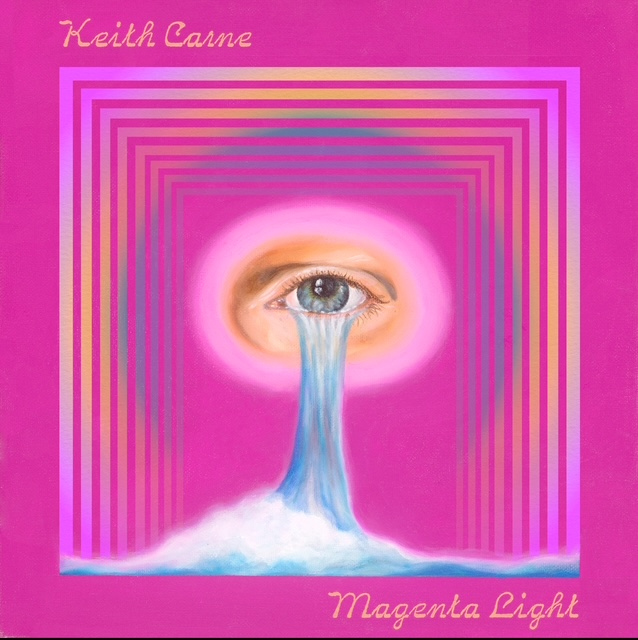
Owen: I also wanted to mention, the album seems very cinematic. Like, when I listened to it the first time, I’m not, like, gassing you up or anything, like, when I was listening to it, it was very visual in my brain. As the record flowed, you named it very aptly, Magenta Light, like, you can almost feel that vibe through it. When people think magenta, sometimes you think, like, 80s, you know.
KC: Yeah.
Owen: Electro, or whatever. I don’t know why, but it retains that kind of vibe. But it is, I can feel, like, spacey jazz come through, some Barrow Sanders, or maybe even I might be way off base on this one, but I was feeling some Fusion-era Miles in there sometimes, and, like, some of the Dimension Vortex competing there that, I don’t know, it just reminded me of, like, 80s-era Miles.
KC: Totally. I mean, Bitches Brew, Jack Di Jeanette, Tony Allen era, or sorry, pardon me, Al Foster, version of Miles’ career was a huge influence on me. And I love that stuff, and you’re not off-base and I’m just so happy that that comes through. And to say that it’s cinematic, I mean, I am a cinema obsessive. I absolutely go crazy over cinema, and spend probably way too much time watching and analyzing films. That’s actually probably the reason I’m in We Are Scientists, is because we talk so much about cinema, we’re all such, like, cinema heads. But film scores are a really, really, really big deal for me, and I listen to them all the time, especially while I’m on runs. And yeah, I mean, I don’t think that I have synesthesia or anything, but I do associate color with music and sound. And really, it’s… it’s not a far reach for me to just wear super raw emotions on my sleeve.
So, the fact that you feel like it’s appropriate, like, it’s not just this sort of, like, personal obsession, that means so much to me that that communicated, so thank you.
Owen: Yeah, absolutely. That’s my honest take of how it came through the earphones to me.
How did you know, when you were writing this and putting it together and finding the flow and et cetera, et cetera. How’d you know you were done?
KC: Oh, wow, what a great question. My wife is a painter. And, her work is on the cover of the record. She typically works in way more complicated forms. She paints orchids a lot. But she paints, sometimes she’ll paint, like, essentially a transcription of an orchid, but most of the time, what she paints is the way that an orchid makes you feel. In a color or a texture. And she and I have endless conversations about when we are done with a work. When to embrace space versus filling things in.
You know, I don’t know that I have a good answer for you, other than… The fact that, like I could probably still be working on it, you know? Scorsese says this about Gangs of New York, about a film that he still, I think, doesn’t potentially see as being perfect, because it’s not a perfect movie, but it’s the most perfect version of what he was able to accomplish at that time. And it’s sort of the way that I think about this, as I just had to eventually set a deadline, and I couldn’t really imagine revising it anymore. “37 Hours” is a song that I’d written the guitar part in 2018, I wrote the first vocal part in 2021. I wrote the second vocal part in 2022, I wrote the third lyrical interpretation in 2024, and I didn’t finish the lyrics until, like, winter last year, when I thought I was done with the song, and I was like, these lyrics suck. I gotta redo this. This doesn’t feel legit to me, it doesn’t feel real. Doesn’t feel honest enough. So I’m sorry to answer it in such a long and rambling way, but I think that this is a hurdle that any creative person faces, you know, staring in the face and quaking in the wave of not knowing when enough is enough.
Owen: I love this answer because when I listen to the piece as a whole. I heard a capital letter at the beginning, and a period at the end. Like, it felt like you said what you wanted to say. And it was done.
Owen: Was there any of this is not quite enough length for an album, or an EP, or however you want to put it out, like…
KC: Yeah. I would love to potentially have had another track on there. My touring and recording schedule gets so crazy, though, that and the process of how I went through in making the record with playing basically everything myself, and arranging everything and recording everything myself, I kind of just didn’t have the time to do it anymore, and it felt like an encapsulation of about a year and a half long process, and I sort of felt similarly to you, that I said, you know, I think that this is enough. Part of the lyrical fascination that I have, and just a social fascination that I have. Being a New Yorker, seeing people navigate the streets, is that very few people embody a piece of art.
Very few people know how to sort of sit with something anymore. So many people are moving through things, or they’re on to the next thing. And I thought it was important to create something that was quick, something that was recognizable in a flash. And not necessarily challenge people to need to sit down with something that was longer than an episode of Seinfeld, you know what I mean?
That, to me, feels like it might… I might be…a little upset at the contemporary attention span, but I’m also a product of it, and it would be elitist of me to think otherwise. And so, you know, I feel like, especially for a first outing.
This feels appropriate for me, you know?
Owen: I think it’s really cool, again, as a whole, when you’re listening to it, you can engage with it in different ways. Like, I don’t mean this to be an insult in any way, but it really worked very well when I was doing work, It was great in the background. Like, I kind of lost myself in the tracks that are kind of a little more ambient, a little more full of vibes, and then, you know, a more quote-unquote song will happen. And then, like, it’ll grab, like, snap me, like, oh!
And then, I listened to it three times in a row while I was doing stuff. Wow. And each time, I kind of engaged a little differently, because I was listening to it for the first time, and just kind of feeling it. And, like, oh, this song made me want to hear what he was doing to make this happen. So, like, again, you can experience it, and just as, this feels great to have on in the background, makes my brain go.
And then you can also engage with it, like analyzing through SongCraft, you know?
KC: Yeah.
Owen: Was that something you’re thinking about for the listener to experience the record, or is it just like, this is how I’m expressing myself, and that’s what it is?
KC: I think that that came more with the sort of, like, order and track placement, but I did want there to be sort of connective sinew, that brought you from one traditional song to the next, because I couldn’t figure out a coherent way to describe the vision of what I wanted to create.
People would say, oh, you’re a drummer, so it’s gonna be a drum album, and I’d say, well, there’s gonna be drums on it, but I don’t know if it’s gonna be a drum album. And they’d say, oh, so it’s gonna be, like, you’re singing and playing guitar, and I’d say, yeah, on some songs, but this album just tends to be, like, a reflection of a lot of my taste. I listen to a ton of experimental, ambient, jazz music. I listen to a ton of standard pop songs, you know? The groove for “Look for the Moon” is a product of my obsession with early 90s adult contemporary pop, and that groove is kind of like a version of the groove from the SEAL song, “Crazy.” You know, and I wanted something that just reflected my taste in a sort of condensed period of time, and that’s really sort of where the mix of textures and styles kind of came from. And again, I think it’s just helpful.
I don’t really love it when there’s just, like, a collection of 10 songs that just get kind of put together on a record. You know, maybe there’s lyrical significance, but I don’t tend to listen to lyrics first.
Maybe there’s, you know, production things that are connecting them, but I want something that feels a little bit more cinematic when I’m sitting down and listening to a record. I don’t mind when songs that have vocals in it or have extended parts of space without vocals. And really, it’s just a reflection of the kind of music that I like to listen to.
Owen: It’s funny that you mentioned, when you mentioned the groove for “Look for the Moon” being kind of adult contemporary from the 90s. I was feeling, like, some Neo Soul, like, D’Angelo.
KC: Totally. The D’Angelo stuff is a little bit more staccato, but my God, the… and not to quibble with your representation of it, but oh my god, dude, that rhythm section, Charlie Hunter and Questlove on that stuff, like, it is ridiculous. I love that groove. I worked at a bar for a few years, and my buddy Rourke and I, this was 20 years after that record came out, we would still play it all the time. You know, “Spanish Fly”, and front to back.
Owen: That record kills me.
KC: Yeah, yeah, it kills me, too. I just couldn’t figure it out. I love Pharaoh Sanders. I love Seal and Sade and the D’Angelo stuff. I love, you know, I don’t know what, what indie pop songwriter “37 Hours,” like, reminds people of, but it reminds me of the indie pop that I want to hear. Kind of like big, kind of soaring guitars.
Mixed with, like, arpeggiated keyboards and stuff, and… and big harmonies, you know? Like, that’s just what I want to listen to. And this is a thing, too, that I love it when artists say, I just wanted to make something
When artists say, you drive yourself crazy trying to predict and preempt what people want to hear, so just make something that you like, you know? And that really jut was my compass.
Owen: Always a good compass to follow. I find that, when someone makes a record, and I’m gonna… this is technically your first record yourself.
KC: Yeah, no, it is, yeah.
Owen: I always find that when someone’s doing their first outing, the best ones are always the people who kind of are genuine music fans who like all sorts of music, and cracks and seeps of all this stuff coming together, and as we’ve been talking, I am hearing that more and more when I’m thinking back to listening to the record. Because there’s some people who I talk to, and I’ve heard very good records, but the focus is very narrow, like the Rolling Stones, and Strokes.
KC: Yeah.
Owen: There it is, and more power to them, and sometimes it’s like, you know, I love the Ramones, they can do the same song over and over and over.
KC: Hell yeah! Talk about intuitive musicianship, you know?
Owen: Yeah, absolutely, and like, you know, in theory, I should be a better guitarist than Joey or Johnny Ramone, but I can never play guitar like Johnny Ramone.
KC: Amazing.
Owen: But, back to your record, I love how there’s flows of different kinds of music, like, you know, like, saltwater and freshwater hitting together, and they’re makingkind of water, and then it’s, like, unstable, and then it’s smooth, and it makes a very warm listening experience.
KC: Oh, thank you so much for saying that. That means the fact that it’s conjuring not just colors, but nature visions. This is exactly what I was hoping, you know, and it’s what it feels like for me, but who the heck knows? Again, you can’t anticipate how it’s gonna make somebody else feel, you know?
Owen: Exactly. So what is your plan for, getting the record out there? Are you going to do local shows? I mean, obviously, you’re very busy, you got a tour coming up with We Are Scientists.
KC: Yeah. I have two tours coming up with Scientists, actually. And on this upcoming European tour, I’m also playing with the support act, Sean McVerry, who’s an amazing songwriter, great friend of mine, incredible musician. I love playing with him.
So I’m playing with both of those bands, and then we come back from Europe, we’re basically there all of April, and then we come back the last week of April. I have two weeks here in New York City before Scientists leave to go open for Psychedelic Furs.
Owen: One of my favorite bands of all time.
KC: Oh, really?
Owen: I love the Furs. When I was little, you know, “Love My Way” has the xylophone. And when I was little, I called it playing the bones. I thought it was a skeleton hitting it, and that just blew a synapse in my brain, so it’s, like, really bedrock of what I like.
KC: That’s so cool! So we’re home for a two-week span, and in that two-week span, I’m gonna play one show, at this bar in Ridgewood, Brooklyn, called Cassette. And I have to put a band together, and I’m actually in the process of, like, music directing for myself, how I’m gonna do it. Because I’m gonna play both drums at times, and guitar at times.
I don’t really want to use tracks. I try to not use tracks when I can. There will be some things, like there’s on that song, “Totally Liminal”, there’s a drone that begins the song, and so I’ll use that as, like, a repeated sort of ambient texture.
KC: But just trying to figure out how I’m gonna do, like, the vocal synth stuff and whatever. But yeah, I’m gonna play that show.
So that’ll be May 1st, Friday night. And I’m gonna play that show. I have a music video coming out for “Totally Liminal” as well. I’m not sure when it’s gonna come out yet. But my great friend Al Markman directed it, and I am so fucking excited for this music video, because it is such an oddball thing with a great little twist ending, and I’d had such a great time making it with my friend, and it’s one of these things that it came out I want to say better than I imagined, but it also came out the way that I imagined it coming out, which is saying so much, because how often do you imagine something in your head, and like, even just playing a show, you’re like, oh, it’s gonna be so great, and then you listen back, and you’re like, whoa, that… that wasn’t great. It’s okay. Yeah, it was fine. I’m just so excited about that video coming out.
And then, you know, just sort of, like, some guerrilla marketing tactics.
You know, I have some things that I’ll hand out here in New York, just however we do it, you know, you’re a musician, you get it, you know. Nothing groundbreaking, but, you know, I’m just hoping to make myself available to talk to the people about the record, too, you know?
Owen: I must imagine, as a cinema person, getting to do a music video, like, that you had a big part of creating, must feel like hey, we did a little movie.
KC: Honestly, it does feel that way, and the director of the video is one of my best friends in the world. He has a four year old child, and we got to edit the video together, and it was great because I got to really exercise these cinematic impulses. He is the brain, you know, the brains behind the video looking the way it does. But he really welcomed me in to help establish the rhythms of the visual language, and really sort of helped, you know, or really allowed me to sort of help him. It was just like a dream. It was one of the best collaborative working experiences that I’ve had in a long time.
I really miss that feeling. I talk with a lot of my musician friends about this. This is also probably something you can identify with. I have my recording rig just behind me, you know, like, all my mics and stuff, and my kit mic’d up and ready to go. Even with We Are Scientists, I make records separate from people in the room. They’re in the room with me but we’re not making music together. And so this idea of being in the room, making the edits, seeing it sort of gel in person, being able to loop things to hear how they affect you over time, or whether a new idea creeps in. These are experiences that, you know, we sort of grew up with, playing in bands and stuff like that. And yet, they’re just so fleeting in the way that we make art today, that it’s one of the reasons I wanted to make this video. It’s one of the reasons I want to play a show, too. This idea of creating something in a room together with people. It’s huge.
Owen: It’s so cool that nowadays, like, the ability for someone such as yourself or myself to be able to make a music video, and a good one at that? Like, the technology has kind of caught up with time. Even if someone was using their phone, that was better. There’s such incredible quality available to people, and I mean, you don’t have to spend a million dollars or $100,000 to film a 35mm.
Owen: And, it’s sad there’s not so many avenues we could be at, like, a golden age of music videos, because almost anybody can do it. With the right idea, the equipment’s pretty easy to come by nowadays.
KC: Yep.
Owen: But, you know, with MTV kind of slowly going away. You know, YouTube can only do so much.
KC: I mean, it’s totally true, you know, I made a little lyric video for this movie, for this song, “Look for the Moon.” And I only did that because I just saw how, like, how much I loved editing the sort of bigger production video for “Totally Liminal.” Now, of course, with the “Look for the Moon” thing, it was just kind of playing recording footage of me here in my studio, and then I took a lot of vacation travel footage that I had made while traveling, either on tour or on vacations with my wife. And, I edited that into a sort of little love letter to how the song kind of makes me feel. And, yeah, I mean, one of the most amazing things about being in 2026, as much as we complain about these things, about, you know, being dislocated from other people, and sort of feeling cloistered in our own little recording, digital recording bubbles, is that the process has somewhat been democratized. And that the cost of making things has become so much more accessible.
I really resent Daniel Eck, the founder of Spotify, for saying that the cost of content creation is near zero, but the guy does have a point to some degree that it is way more accessible and way more democratic, and that’s a good thing for, allowing culture to announce itself, to yourself, at the very least. Maybe it’s a more cluttered marketplace because of it, but that’s okay.
Owen: Totally.
What’s next? You got done with this, so…
KC: Oh, man.
Owen: Next thing.
KC: I wrote a drum book, called Pulse and Phrase, First Steps and Fundamentals on the Drum Kit.
These are the big, sort of twin projects of my last few years that I’ve been doing in between touring with We Are Scientists, and with Sean McBerry, and with recording, you know, other artists. So I really, really can’t wait for that book to see the light of day. And I’ll make some sort of video component so that people who purchase the book feel musically supported enough in their journey through that book. And it is very much a sort of first steps book, something for beginners to feel empowered, as opposed to intimidated when they’re behind the drum kit.
Owen: I might need to look into that book.
KC: All right. So that’s a big thing for me. Tons of touring with We Are Scientists. Again, just this, this show I have coming up, and really just, I don’t ever want to be too self-satisfied. In fact, I’m never satisfied. I come from this school of being a musician where I record things to constructively criticize and give myself feedback, but I can truly tell you that I’m just looking forward to this record being out in the world, because it’s something that I’ve wanted to do for basically my whole adult life. And I literally can’t envision anything other than donating your time and money to charitable services, I can’t envision a better way of spending time by creating something, and almost like getting something off your chest that you’re dying to. It seems like the farthest thing from what I consider, like, a waste of time. And it’s just my waste of time, frankly, you know what I mean? It is a self-serving, ego, maniacal practice, I fully realize that. But it is one of the few things that I am getting this vibe that I’m gonna be able to look back on, and to some degree, like, feel some satisfaction from. Not that it’s perfect, you know, it’s just the most… the best version of what I was able to do with the time that I gave myself, you know?
Owen: Absolutely, and it’s a perfect kind of picture of where you were in 2025, 2026.
KC: It’s a tattoo, you know?
Owen: Yeah, that’s a great way to put it. You can’t get rid of it.
KC: You dig, you dig, it’s out there. There ain’t no going back.
Owen: Would you want to do this again? Do another, album, EP, single…
KC: Yes, for sure. And now that the the door has, you know, I’ve kicked the door open. It’s easier to write songs.I’ve written songs since finishing the record, and again, Keith Murray is such a prolific and amazing songwriter. He is a big proponent of that. I remember sitting down and talking to him just about songwriting in general back in 2018.
I’d written a few songs, none of which are on this record, but, you know, I shared them with him, and he said, these are great. The biggest thing, though, is just don’t be too satisfied with these, just, like, keep going. Put them in the bank, and then, you know, like, just keep writing songs. And then, because you know if you write 15 songs, you’ll like four of them, or whatever, and then maybe you can use the ones that you don’t like, you can strip them for parts, or whatever.
Owen: Yeah, this riff is great.
KC: Right, totally. Jerry Seinfeld was talking about how, in order to do six killing minutes of The Tonight Show, you have to have 40 minutes of comedy club material, right? And so that’s one of the big things, is just making sure that I’m constantly exercising those muscles, and that I’m constantly working toward that, so that I mean, even Magenta Light, you know, it’s a very short album, it’s eight songs. I probably had 15 written, and then I broke a bunch down for parts and repurposed things, or whatever, or just sort of ignored others. And just that act of failing at a song. You know, it is an amazing way to get you across the finish line of a song that you deem as a success.
I think it was Pablo Picasso, who is, yeah, kind of a piece of shit, you know, but whatever,we don’t need to champion him anymore. But he has a very inspiring quote that my wife and I talk about a lot, where he says, and I believe this, that I’m attributing it correctly, he says: Inspiration finds the artist at work.
Meaning, inspiration isn’t just a thing that plops into your lap. Inspiration is a thing that only comes if you are actively searching for it, and the only way to actively search for it is to keep that nose to the grindstone.
Owen: I love what you’re saying here, because there’s some people that I’ve spoken to that, unfortunately, they’re sitting waiting for that inspiration to happen. I always find that it’s in the work. Like, if you’re not doing the work, and you don’t enjoy doing the work, and you’re not passionate about the work. The work is not gonna find you, and you’re not gonna be inspired, and the work will not be as good.
KC: Yeah. No, you’re totally right. There’s this great Noah Baumbach movie that he made for Netflix called The Meyerowitz Stories, I think it’s called, and Dustin Hoffman is this curmudgeonly old sculptor, and he’s just always saying, oh, the work, the work, and he’s always just talking about the work, so you’re so right, it’s just about this. And sometimes it is about the waiting for the friendly hand of inspiration to come and, you know, sort of, like, scoop you up. Maybe I’m a little sentimental about it because it’s March and it was six years ago. I don’t know about you, but I certainly was not feeling inspired at the very beginning of COVID. You know, it was a time that we were all seeking comfort. We didn’t know what COVID was gonna do to us biologically speaking,. And it was a very scary time, and yet we all had all of this time to work, you know, on our Logic or Pro Tools rigs at home or whatever, and we all should have been making records, and eventually we all did, right? But it took six months of sitting on the couch watching Jean-Claude Van Damme movies in order to sort of feel that we were in a safe enough space to give these feelings a seat at the table, you know, and to sort of foster them, and to channel them into something productive.
Keith Carne’s solo album, Magenta Light, is out on April 20.