On Peter Gabriel's "Melt" and Steve Biko
Published on Feb 21, 2026
Be Sure to Wear Flowers in Your Hair
Published on Jan 19, 2026
WALK OUT TO WINTER: falling in love with—and to—Aztec Camera's High Land, Hard Rain
Published on Dec 26, 2025
First Anniversary
Published on Dec 17, 2025
More Liner Notes…
Featured Essay: Halloween in Contemporary Songs
by Jamie Lammers
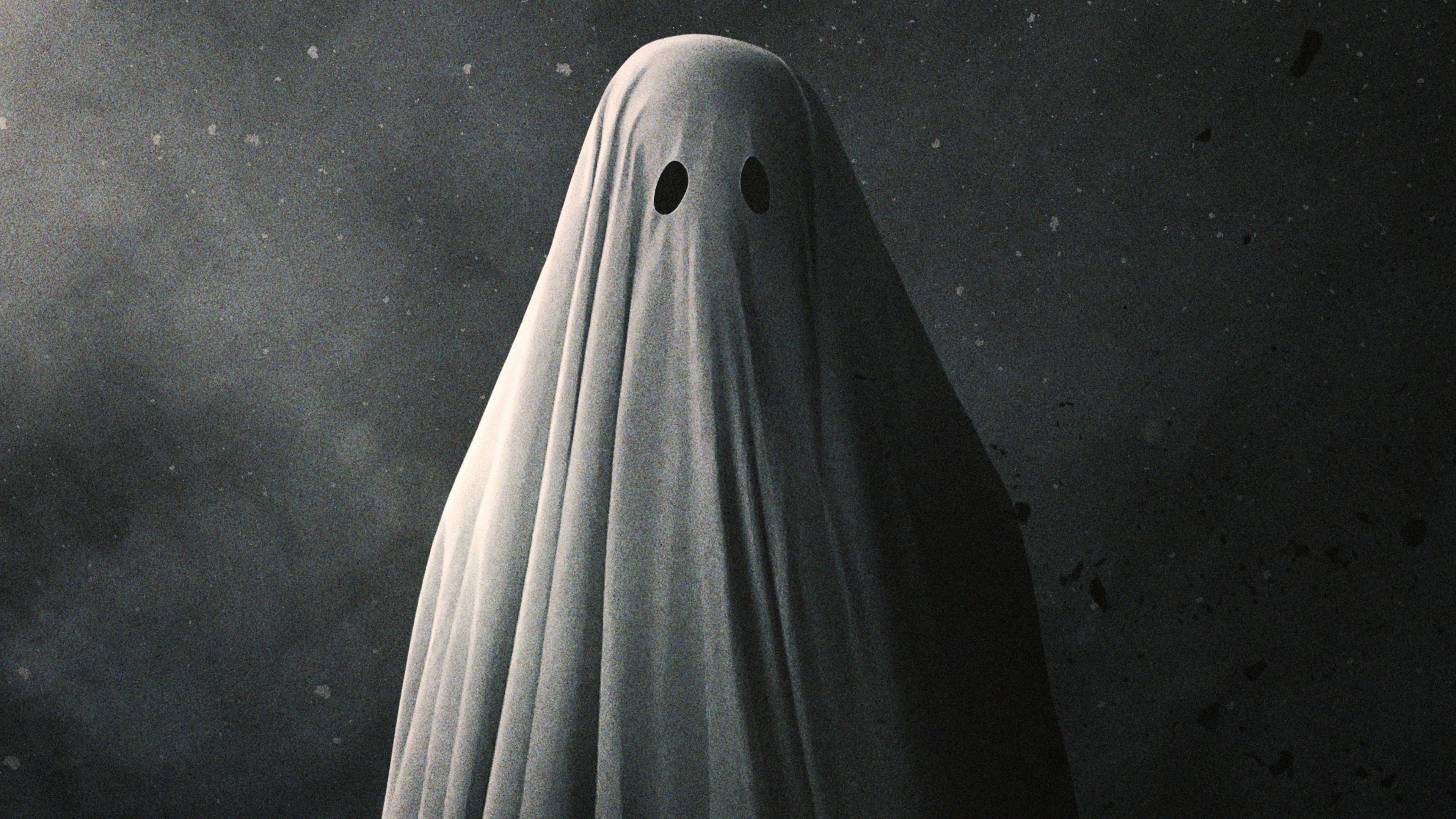
Every year, as October 31st approaches, many prepare to embrace the fun and frightful atmosphere of Halloween, encouraged by the colors and weather of autumn. Trick-or-treating, horror movie nights, and wearing costumes highlight the Halloween experience today, especially in the United States.
The holiday comes from Celtic traditions combined with Christian influences, and symbols from both have created iconography we still recognize in the 21st century. Vegetables with carved faces and hand-crafted disguises and costumes still serve as methods to ward off threatening spirits when their world combines with the world of the living.
In many ways, the roots of Halloween acknowledge remnants from something mortal left behind – a haunting, as it were. When we think of the word “haunting” today, we likely think of abandoned houses with strange, unexplainable occurrences or spirits physically taking over mortal bodies for their own use.
However, if we define “haunting” in its simplest terms, as a visitation or as something not easily forgotten, we also often associate the term with our own experiences: memories we wish we could change, times we wish we could go back to, or people we wish we could see again.
These principles are especially beautifully explored in songs from three separate artists titled “Halloween:” Noah Kahan, Phoebe Bridgers, and Novo Amor. They take the concepts of haunting and the iconography of the holiday to build personal reflections of times they wish they could change.
Starting with Noah Kahan’s song, from his 2022 album Stick Season, we explore this haunting in its most recognizable form: the singer being consistently followed by the presence of a person he once knew.
Noah, along with co-writer Gabe Simon, explores his attempts to move forward from a lost connection. While he tries to travel away from this connection, it continues to follow him wherever he goes, and he realizes this will now always be a part of him.
In the song’s first verse, Noah explains his efforts to escape these ties to the past. The first lines, “I’m sailing away to a place I’m afraid of, the dawn isn’t here, the sun hasn’t rose,” explain his efforts to physically move forward and away from the memories that still hurt.
He continues the first verse describing his continuous struggle to let these memories go despite his escape attempts: “I drink ‘til I drown and I smoke ‘til I’m burning, your hands are all over your scent.”
While these lines demonstrate his attempts to emotionally detach himself once he loses the connection, the final lines also demonstrate he is still preparing for the day he finds it again: “I worry for you, you worry for me, and it’s fine if we know we won’t change, collect every dream in these old empty pockets in hope that I’ll need them some day.”
In the second verse, Noah admits that no matter how hard he tries, he cannot let his memories of this past connection go: “There’s a murder of crows in the low light off Boston and I’m seeing your face in each one, I’m losing myself in the tiniest objects, I’m seeing my life on a screen, I’m hearing your voice in a strange foreign language, if only I learned how to speak.”
The chorus begins with Noah stating he knows there is no way the past can be repaired: “But the wreckage of you, I no longer reside in and the bridges have long since been burned, the ash of the home that I started the fire in, it starts to return to the Earth.” He then acknowledges that he will likely never fully accept this as the truth: “I’m leaving this town and I’m changing my address, I know that you’ll come if you want.”
The song’s title and thesis arrive in the chorus’s final line: “It’s not Halloween, but the ghost you dressed up as sure knows how to haunt, yeah, you know how to haunt.” For Noah, this is a personal haunting that lasts far past the Halloween celebrations and continues to affect his choices and experiences.
A literal and metaphorical ghost follows him now: the impression of a lost relationship and the memories of how it collapsed. The song concludes with Noah telling this relationship (along with himself) that their connection is permanently over: “I know that you fear that I’m wicked and weary, I know that you’re fearing the end, but I only tell the truth when I’m sure that I’m lying, so I’m setting sail once again.” Whether Noah actually sets sail away from the relationship, and whether the other partner actually feared the end of it, is left to interpretation.
While Noah’s song focuses on a haunting presence from his past, Phoebe Bridgers’ song focuses on a haunting presence from her present. In the song, co-written by Phoebe, Christian Lee Hutson, and Conor Oberst, the singer laments her current relationship, almost begging her partner to come back from a personal sickness.
In the first verse, she reflects on better times in the relationship with the lines “I hate living by the hospital, the sirens go all night, I used to joke that if they woke you up, somebody better be dying.” She then contrasts that with the current state of their relationship, explaining that her partner has now spiraled into unbreakable habits with the lines, “Sick of the questions I keep asking you that make you live in the past, but I can count on you to tell me the truth when you’ve been drinking and you’re wearing a mask.”
The Halloween imagery pops up first in that final line of the first verse, which reveals the partner has struggled with alcohol consumption and turns into a completely different person when he drinks. In trying to reason with the partner, Phoebe ties this masking metaphor into the lyrics sung in each chorus: “Baby, it’s Halloween, there’s a last time for everything, oh, come on, man, we can be anything.” She hopes her partner can somehow remove this mask and stop themselves from spiraling.
Phoebe emphasizes how hopeful she still is in the second verse: “Always surprised by what I do for love, some things I never expect.” In particular, she reflects on her tendency to talk about random subjects to focus on something else: “They killed a fan down by the stadium, was only visiting, they beat him to death.” Outside of the context in the lyrics, Phoebe has discussed her interest in learning about murders, particularly various murders and attempted murders that took place at Dodger Stadium.
The song’s outro reinforces that she will say and do anything to move the relationship forward. Phoebe repeatedly sings “I’ll be whatever you want” with supporting vocals by Conor, resigning herself to molding into any image if it means something can finally change. If they can be anything for Halloween, then maybe they can be what the other person needs, at least for a while.
Along with interpersonal hauntings, people can often be haunted by something they experienced completely on their own. That perfectly applies to Novo Amor’s song, which he wrote based on events from Halloween 2011. He recounts the events in the chorus: “I remember Halloween, I hit my head on the edge of the sink, dialing out to an older me.”
The song conveys not only what Ali John Meredith-Lacey experienced that night, but also how he reflects on that night. He recalls that after setting aside the guitar for a while, the first lines he wrote when he came back to it were the opening (and closing) lines to this song: “All the good words have left my mouth, I’m completely out of things to say about it now.” Once he let the words flow, he wrote a song that allowed him to directly express how Halloween itself haunts his memories.
As everyone prepares for the spookiest day of the year, these three songs serve as reminders that there are far scarier things in life than ghosts and ghouls. Individual and interpersonal memories last far longer than the thrills from a scary movie or haunted house, and these songs brilliantly explore Halloween at its core – honoring and recognizing what has passed.
Bio
Jamie Lammers is an undergraduate at the University of Colorado Boulder, majoring in creative writing, minoring in cinema studies and music, and holding a certificate in Native and Indigenous Studies. He loves the arts and humanities and has delved into theater, music, writing, art, film, history, and audio. He has written columns and edited podcast episodes for The Mountain-Ear since April 2019. He has also freelanced and worked as the editorial assistant for Yellow Scene Magazine since September 2025. He has been published in the creative nonfiction journal Hindsight and the online literary journal Written Tales.