

On Peter Gabriel's "Melt" and Steve Biko
Published on Feb 21, 2026
Be Sure to Wear Flowers in Your Hair
Published on Jan 19, 2026
WALK OUT TO WINTER: falling in love with—and to—Aztec Camera's High Land, Hard Rain
Published on Dec 26, 2025
First Anniversary
Published on Dec 17, 2025
More Liner Notes…
Featured Essay: Musical Impressionism: Music about Places
by Eric Gaines
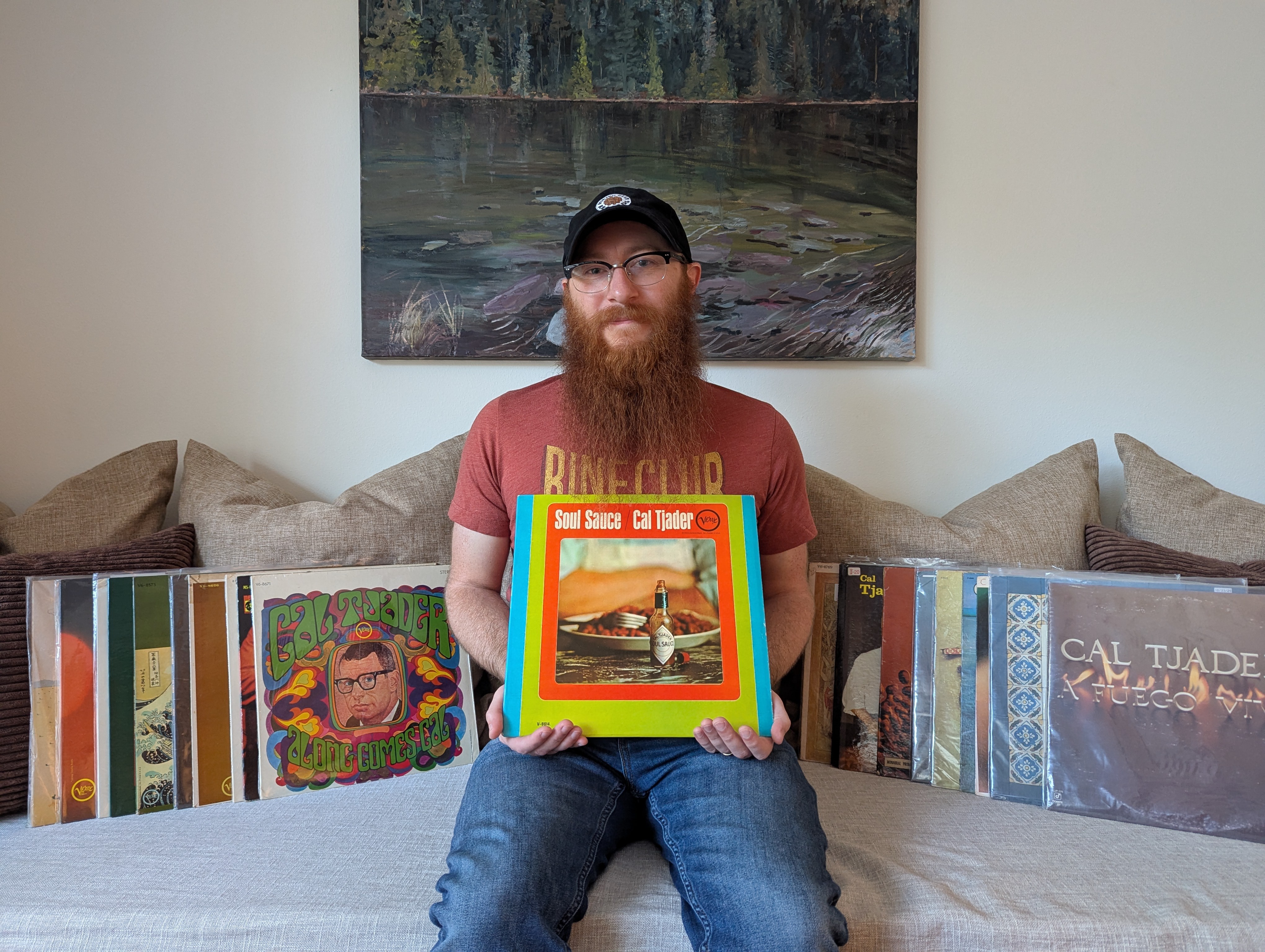
I recently had the pleasure of traveling from Oslo, Norway to Budapest, Hungary, taking every form of transportation imaginable. On the flight to Oslo, in preparation for my visit to the Fram museum, I finished reading My Life as an Explorer: Autobiography of the First Man to Reach the South Pole by Roald Amundsen. It helped put my mind in a place that could fully appreciate the ship and the significance of the items contained within the museum. All the while, I kept finding myself humming along to Our Retired Explorer (Dines with Michel Foucault in Paris, 1961) by The Weakerthans and repeating “Oh Antarctica” over and over again. This started a domino effect in my brain, which eventually led to the idea for this article. From the contrasting viewpoints of Alabama by Neil Young and Sweet Home Alabama by Lynyrd Skynyrd to the celebration of small British villages in Village Green by The Kinks, there are a plethora of songs which link the listener’s mind with a location.
There is something special and enchanting about music that evokes a certain sense of place. Whether it’s a phrase, specific imagery, a chain of events, or even just the mood of that place, music has the ability to paint a vivid picture in our minds that firmly plants us there. I can’t think about the city of Towson, Maryland without thinking about They Might Be Giants’ song from their ambitious Venue Songs album (in which they wrote a unique song for every venue they played that tour) and the refrain “What’s it like in there? I will never know! The Recher Theater in Towson and that secret rock show…” To me, that song and that place will forever be linked, even though the song doesn’t have much else to do with the city of Towson itself.
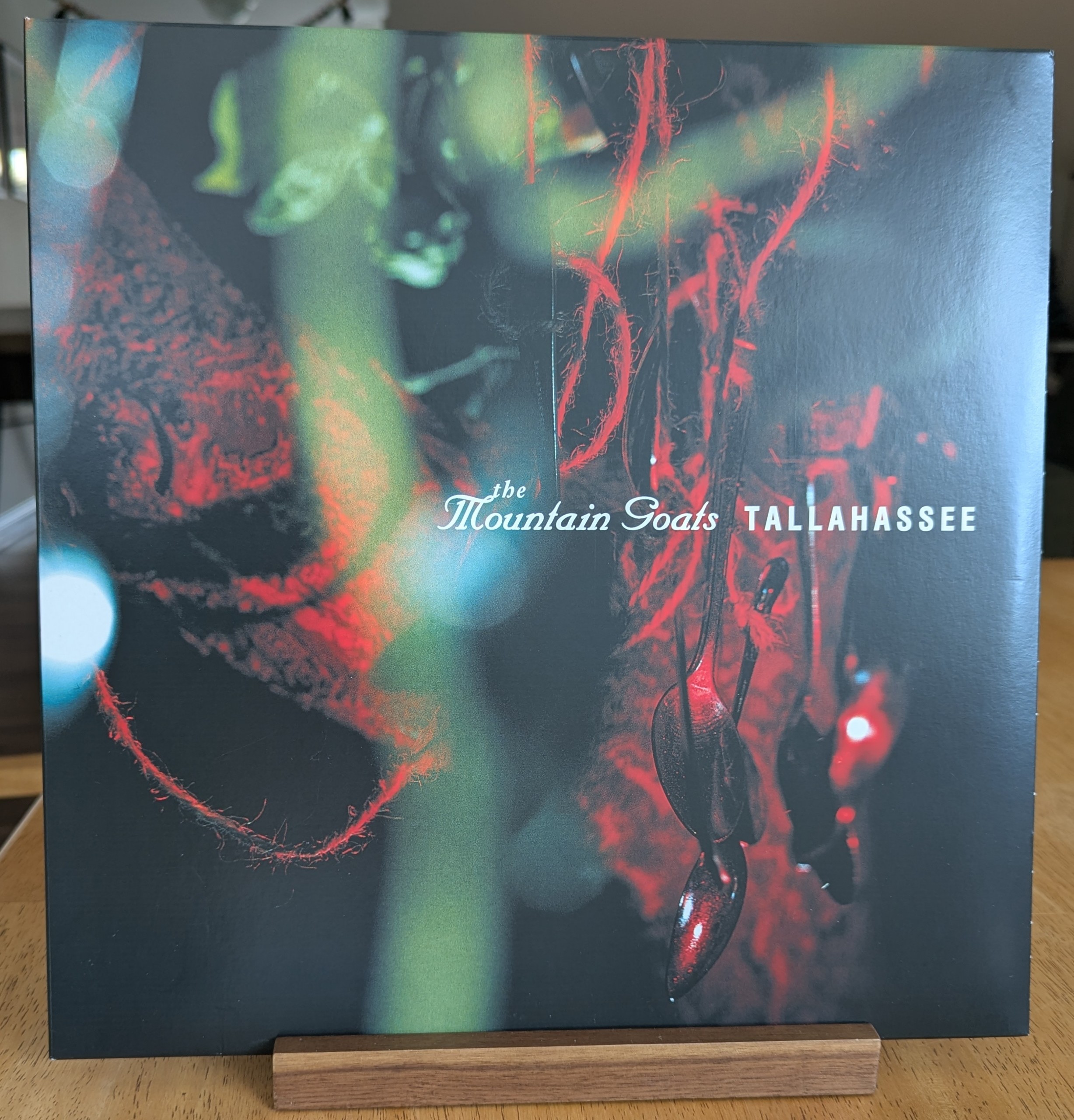
When talking about songs about places, it would be impossible not to include John Darnielle of The Mountain Goats. For many years, John wrote songs with the words “Going To” in the title, each one drawing on an aspect of the titular place. Going To Queens has a schoolyard singsong quality that is reminiscent of the bustling and ever-growing population of the New York City borough that lends the song its name. The Mountain Goats also have a series of songs throughout their early career about “the Alpha couple” (with each song having the word “Alpha” in the title) which culminate in the album Tallahassee. The album centers around the couple’s last ditch effort to save their relationship and the destructive tendencies of each partner. From the album’s opening track, Southwood Plantation Road, through its closer, Alpha Rats Nest, John weaves in lyrics that frame the story in the humid, swampy state of Florida. The autobiographical album The Sunset Tree is also stuffed with descriptions of the California cities that served as the backdrop for John’s tumultuous childhood.
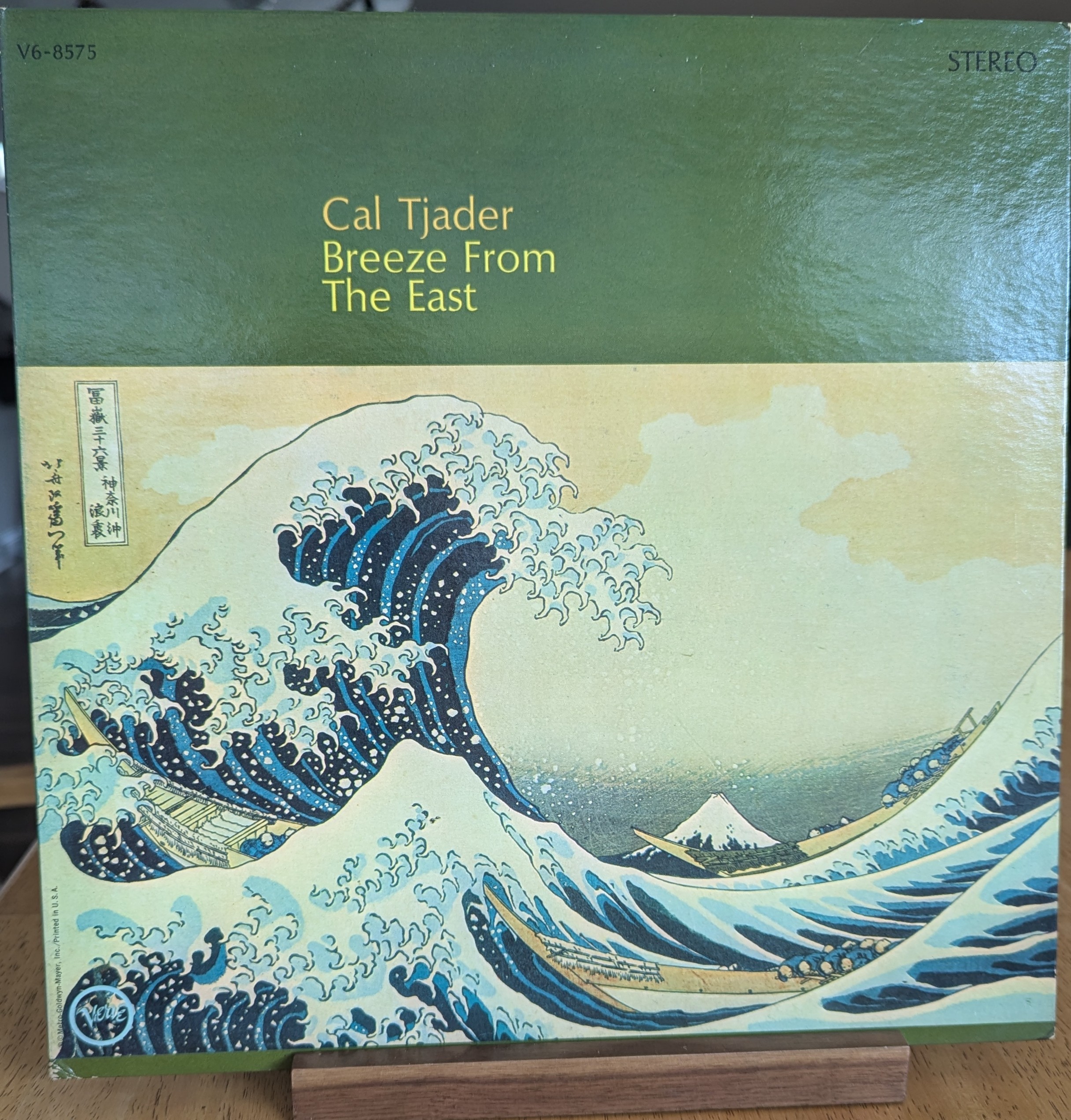
Interestingly, there are some songs that pull you into a place without ever mentioning that place at all. This is especially true with jazz, which has a remarkable ability to paint pictures in broad musical strokes, like impressionist painters would with their brushes. In my previous article, I talked about my love for Cal Tjader’s Breeze From The East, a pastiche of East Asian aesthetics melded with Cal’s Latin jazz sensibilities. Cal is able to create imagery ranging from serene pastoral countryside to lively marketplaces, all with a slinky 1960s jet set coolness smeared across them. The Pacific was a particularly common aesthetic for jazz musicians of the 1950s and 1960s, as jazz exploded in popularity in places like Hawaii, Japan, and Hong Kong.
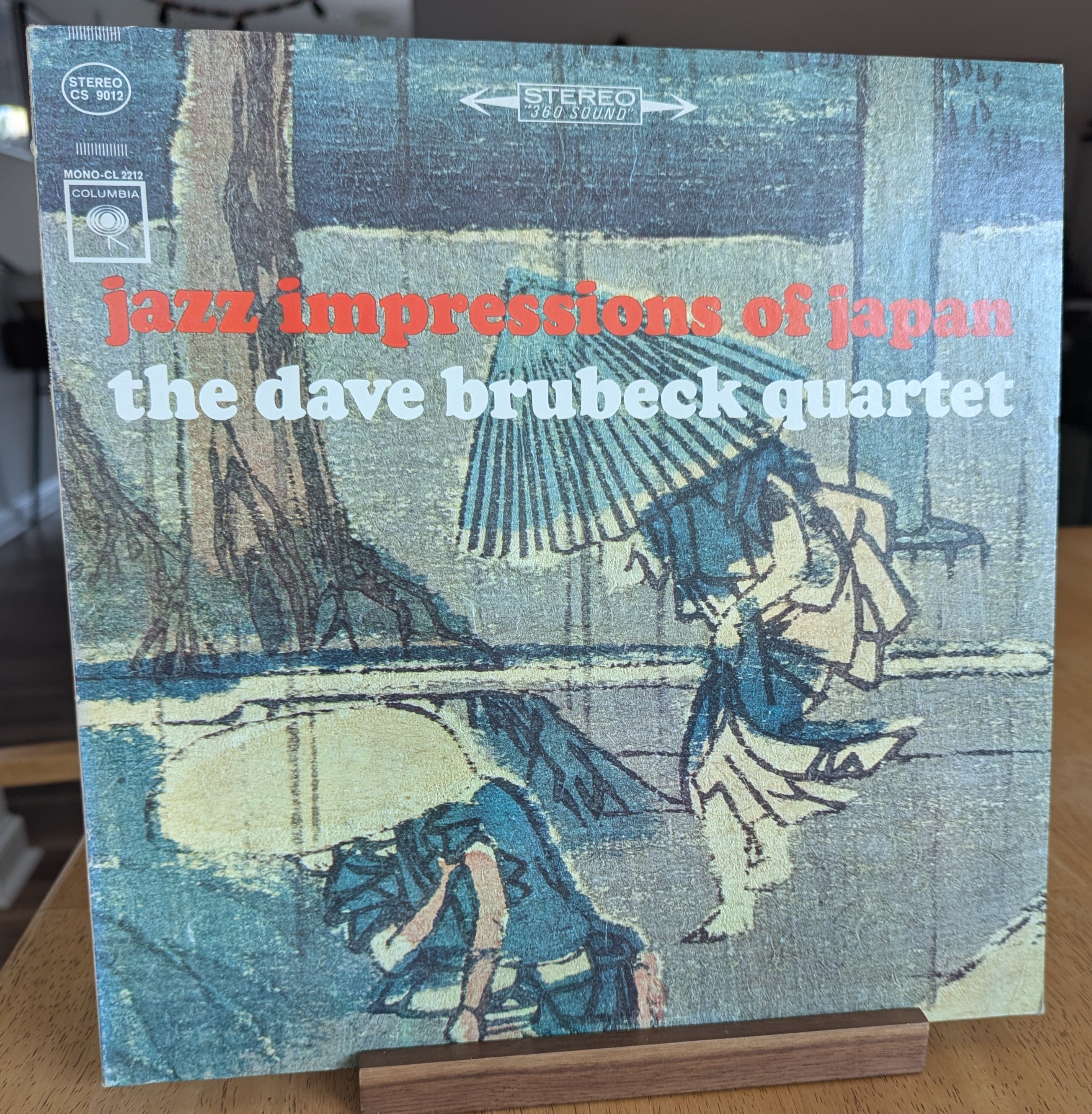
Dave Brubeck drew upon his experiences in Japan to create Jazz Impressions of Japan, one of his most popular “impressions” albums. From the lively opening track, Tokyo Traffic, the band plays in a scale that sounds to me like it might be the traditional Japanese Yo Scale (although I am admittedly not the best at music theory), before diving into a more familiar bebop style jazz that revolves around the notes in that scale. This immediately conjures images of a bustling city that mixes the modern with the traditional; a place where a swanky jazz club might sit facing the street, while a path winds beside it to a small Shinto shrine tucked away in an urban oasis. Fujiyama, by contrast, is a somber piece in which the mournful saxophone plays a haunting melody that evokes a rainy day in a rural community at the base of the towering titular mountain. You can practically feel the rain tapping out the splashing minimalistic rhythm of the cymbals. Dave continues to masterfully illustrate the contrasting culture of Japan throughout the album, alternating between the modern and the traditional, culminating in Koto Song, which ironically enough doesn’t use the Koto at all. Dave plays out melodies that would traditionally be played using the stringed Japanese instrument on his piano, blending the two disparate aspects of Japan into one harmonious piece that mirrors the identity of the country in the 1960s.
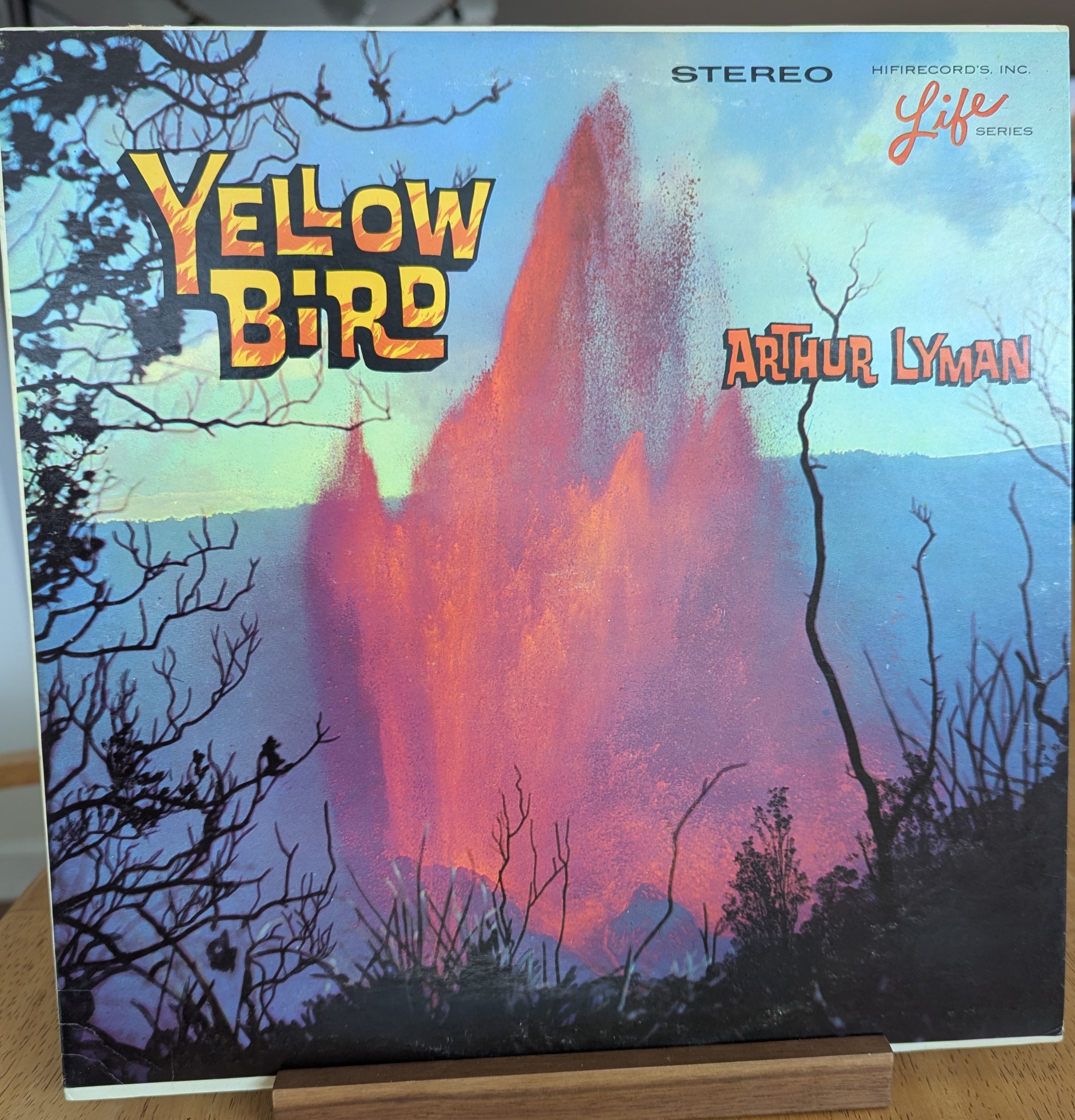
While Cal Tjader and Dave Brubeck exercise restraint and use their influences to modify their existing styles, other artists bordered on exploitation. The Exotica trend saw artists like Martin Denny, Arthur Lyman, and Les Baxter creating cartoonishly exaggerated depictions of Southeast Asian and Pacific island culture. Despite its cheesiness, however, I still find myself listening to Exotica from time to time, especially Arthur Lyman. His skill as a vibraphonist and arranger instantly create a mood of a lush tropical oasis, sitting on the shore of the basin of a waterfall sipping on a drink that is far too boozy for how sweet it is. As long as you meet Exotica knowing that the pieces are grossly exaggerating and misrepresenting the cultures they draw influence from, it can be a fun genre to have in your arsenal as background music when cooking up a playlist.
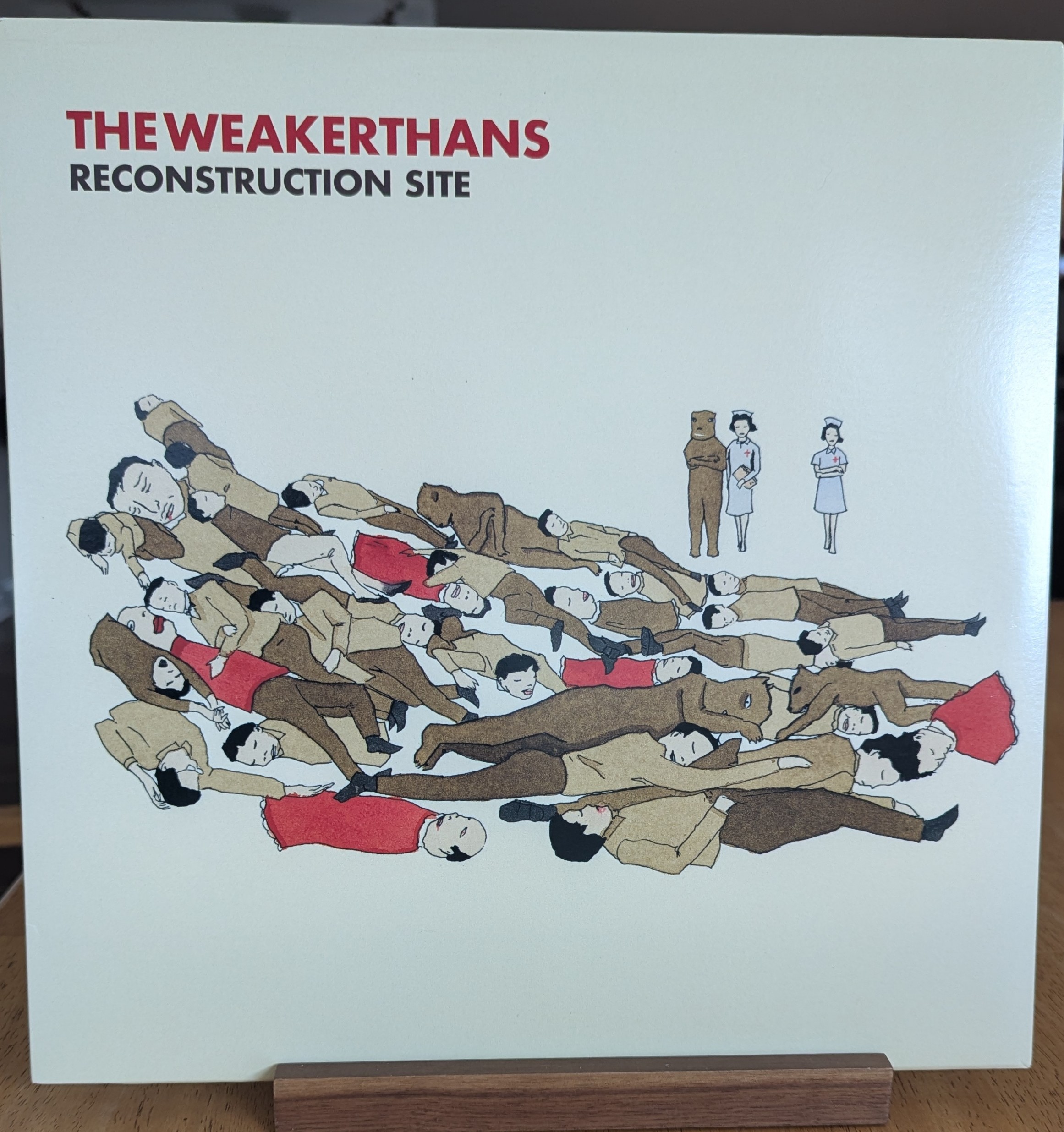
While the mood of a particular place is the broad brush to paint with in musical geography, lyrics that speak of specific aspects of that place will result in a much more detailed picture. Returning to The Weakerthans and John K Samson, it is John’s lyrical depth which is used as a more effective tool in conjuring mental imagery. In one song, the “city’s still breathing, but barely it’s true, through buildings gone missing like teeth,” while in another “Confusion Corner commuters are cursing the cold away.” One Great City! and Heart of the Continent are a pair of songs which serve as part love letter, part hate mail to the city of Winnipeg, Canada. They sing of traffic and wrecking balls, lots full of debris, grey skies punctuated with inky bruise-like clouds, and of course the people who inhabit the city like ghosts. They’re the kind of songs someone can only write about a place when they are intimately familiar with every arterial road and spider-webbing capillary alleyway… The kinds of songs people use to remember home.
Eric Gaines makes music as Nova Robotics Initiative and runs the “record label” Rusted Gear Records. Eric writes, records, and self-produces all of his music, which is always “pay what you want” on bandcamp or available on the regular streaming services. Eric’s record collection stands at 1400 records. His favorite record in the collection is a first pressing of Neil Young’s On The Beach. His golden ticket record is an original pressing of They Might Be Giants’ self-titled first record (while not rare or expensive, he’s never seen one in person). Eric can be found on BlueSky @rustedgearrecs.bsky.social.
Previously by Eric Gaines: Collecting Cal Tjader