
On Peter Gabriel's "Melt" and Steve Biko
Published on Feb 21, 2026
Be Sure to Wear Flowers in Your Hair
Published on Jan 19, 2026
WALK OUT TO WINTER: falling in love with—and to—Aztec Camera's High Land, Hard Rain
Published on Dec 26, 2025
First Anniversary
Published on Dec 17, 2025
More Liner Notes…
Featured Essay: The Haunting Sound of Nostalgia: Why 80s Synth Pop Still Feels Like Halloween
by Israel Kolawole
The first time I realized that 80s synth pop felt like Halloween had nothing to do with costumes or horror movies. It was a late October evening, and “Lullaby” by The Cure came on through my headphones, that crawling bassline, the whispery strings, the way Robert Smith’s voice sounded half-alive, half-dreaming. Outside, the sky was bruised orange and purple, the light slipping faster than usual. Something about those synths, glossy but sad, mechanical yet human, felt like the season itself. They didn’t scare me, but they unsettled me in a way I wanted to return to, like remembering a dream you can’t quite shake.
The more I listened, the more I understood that the 1980s were built for this kind of beautiful unease. It was a decade straddling hope and dread, neon optimism flickering against the shadow of the Cold War. Synthesizers and drum machines became emotional translators, letting bands like Depeche Mode, New Order, and The Cure turn anxiety into melody. Those sounds weren’t just futuristic; they were strangely human, pulsing with longing and static. Even the joy felt haunted, as if the music already knew it was echoing from a world that wouldn’t last.
What makes that sound so haunting isn’t any one instrument, but the way everything seems to shimmer and decay at once. The synth pads stretch out like fog, the drum machines thud with mechanical precision, and the vocals drift through layers of reverb until they feel half-ghost, half-confession. Songs like “Strangelove” or “Blue Monday” don’t just play, they breathe, sigh, and flicker. Even the bright moments carry a chill, as if the melody itself is aware of some sadness underneath the beat. It’s dance music for people who know the floor might give way.
Maybe that’s why those songs feel made for October. There’s something about the way a synth swells that sounds like twilight creeping in, the same uneasy beauty you get from watching the wind move through half-lit streets on Halloween night. The minor keys and echoing drums share DNA with the horror soundtracks of John Carpenter and Dario Argento, but instead of monsters, these songs conjure memories: dim living rooms, the hiss of VHS tapes, the sweetness of being a little scared. It’s less about fear than recognition, the music knows what it feels like to miss something you can’t name.
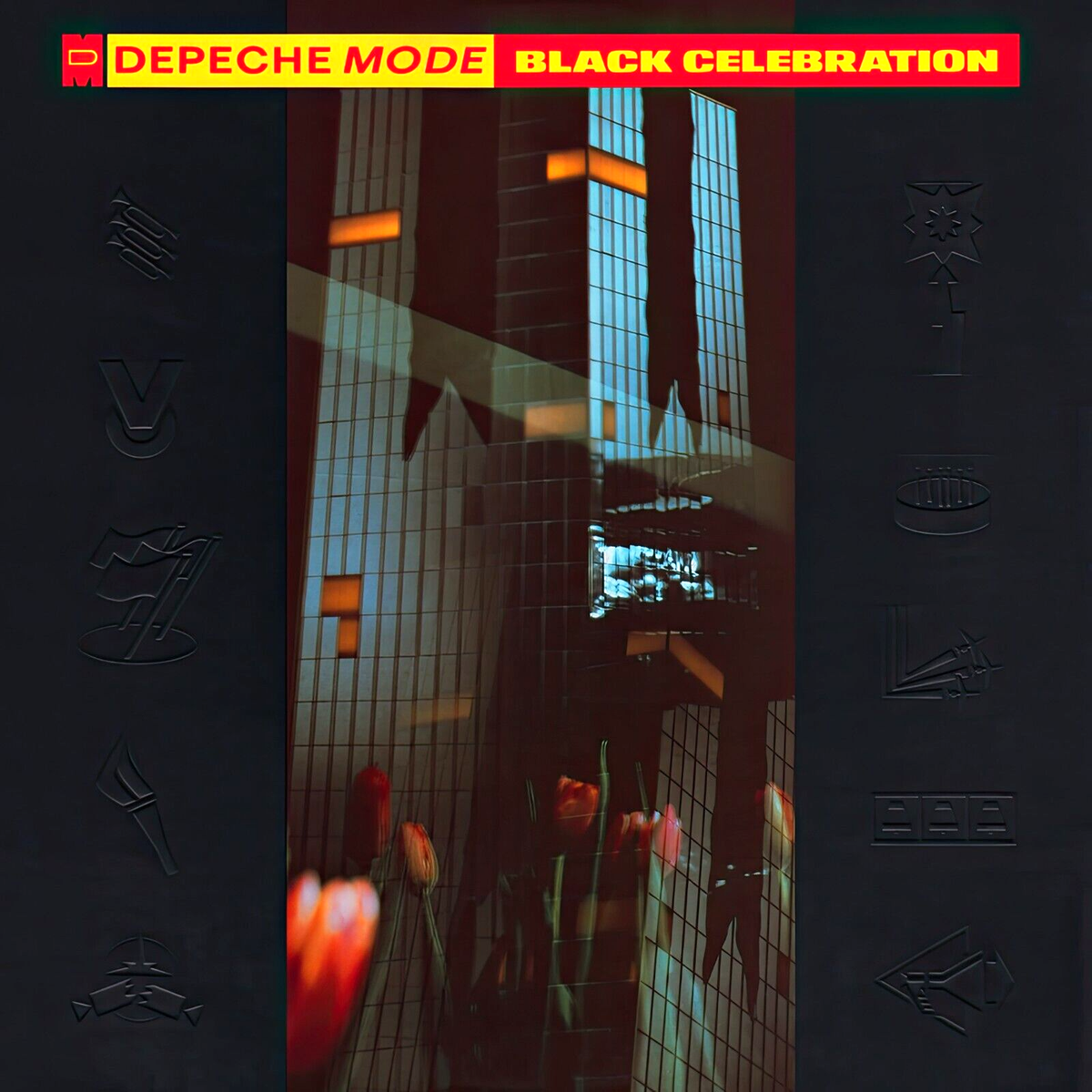
I remember the first 80s record I ever owned: a secondhand copy of Black Celebration I found in a dusty crate at a flea market. The sleeve was scuffed, the liner notes soft at the edges, like something that had been handled too many times. When I got home and dropped the needle, the room filled with that dark, metallic shimmer, synths blooming like smoke. It felt both comforting and cinematic, like I was tuning into someone else’s memory. Every pop and crackle from the vinyl sounded alive, as if the ghosts inside the record were stretching after a long sleep. Since then, playing it has become my quiet October ritual.
These days, I hear that same feeling everywhere. Each October, streaming playlists resurrect those 80s synth tones, “Darkwave Halloween,” “Retro Horror Nights,” “Goth Club Classics.” The same sounds that once filled smoky clubs and bedroom stereos now echo through curated algorithms. Artists like Chromatics, Drab Majesty, and Boy Harsher have picked up the thread, reshaping the melancholy pulse for a generation raised on nostalgia. It’s proof that the ghosts never really left, they just found new frequencies. Every chorus, every synth swell, feels like the faint hum of something familiar returning through static.
What keeps pulling me back isn’t just the music itself, but the feeling it carries, that mix of longing and comfort, melancholy wrapped in shimmer. 80s synth pop has always understood that sadness can be cinematic, that emotion can echo through machinery and still feel deeply human. Every listen feels like returning to a place you’ve never been but somehow remember, a dream with perfect lighting and no clear ending. Maybe that’s what nostalgia really is: a kind of haunting you invite in, a melody that reminds you how it feels to be almost home.
As October slips toward its end, I always find myself reaching for that same record again. The first notes rise, the synths bloom, and the air feels charged, like the moment before a candle goes out. It’s not really about Halloween anymore, not even about the 80s. It’s about the strange comfort of repetition, the way familiar sounds can hold our ghosts for us. When I press play, it feels like calling something home, not to scare it off, but to listen with it, in the dark, just long enough for the past to hum back.
There’s something deeply human in that small ritual, the way we use sound to frame memory, to give shape to longing. Every hiss of the vinyl feels like breath, every looped synth a quiet heartbeat. Sometimes I close my eyes and imagine the music flickering out across decades, passing through old speakers and cracked headphones, spilling into other rooms, other lives. Maybe that’s the real haunting, the continuity of feeling, the persistence of sound. The needle lifts, and for a second, the silence afterward feels alive too, as if it’s waiting for me to begin again. And I always do. The ghosts deserve another listen.
Israel Temmie Kolawole is a culture and music writer whose work explores nostalgia, sound, and the emotional lives of listeners.